
Ghana and Kenya Project
Digital Access & Economic Empowerment
We believe access to technology is no longer optional, it is foundational.
In many of the communities we serve, children are growing up without exposure to the digital world that increasingly defines opportunity. The gap is not just educational it is economic.
To address this, we integrate refurbished phones and laptops into our learning environments, transforming underutilized technology into tools for future income and independence.
We transform refurbished phones and laptops into tools of economic agency.
Access is only the first step. Capability is the multiplier.

01 — Access
Refurbished devices placed directly into learning environments
→ phones, laptops, shared digital stations
02 — Literacy
Students learn how to:
navigate digital tools
research and learn independently
communicate and create online
03 — Application
Exposure to real-world use cases:
online learning platforms
basic digital work pathways
information access beyond local constraints
04 — Agency
Students begin to understand:
how money can be earned digitally
how skills translate into opportunity
how to participate in a global system
Building the Future: A Vision Taking Shape.
For years, the school had no ICT tools or digital learning space. What was once an empty, unused room was transformed into a place where children could learn, build digital skills, and discover new opportunities in the digital economy.
In May 2026, Foundation Light was building the foundation for a new chapter in digital learning in Ghana, developing an ICT centre for children and preparing the space for the July training program that would bring technology, skills, and new opportunities to the community.

From an Empty Room to New Possibilities.
Transforming an empty space into a digital learning center that will help build access to future professionals.
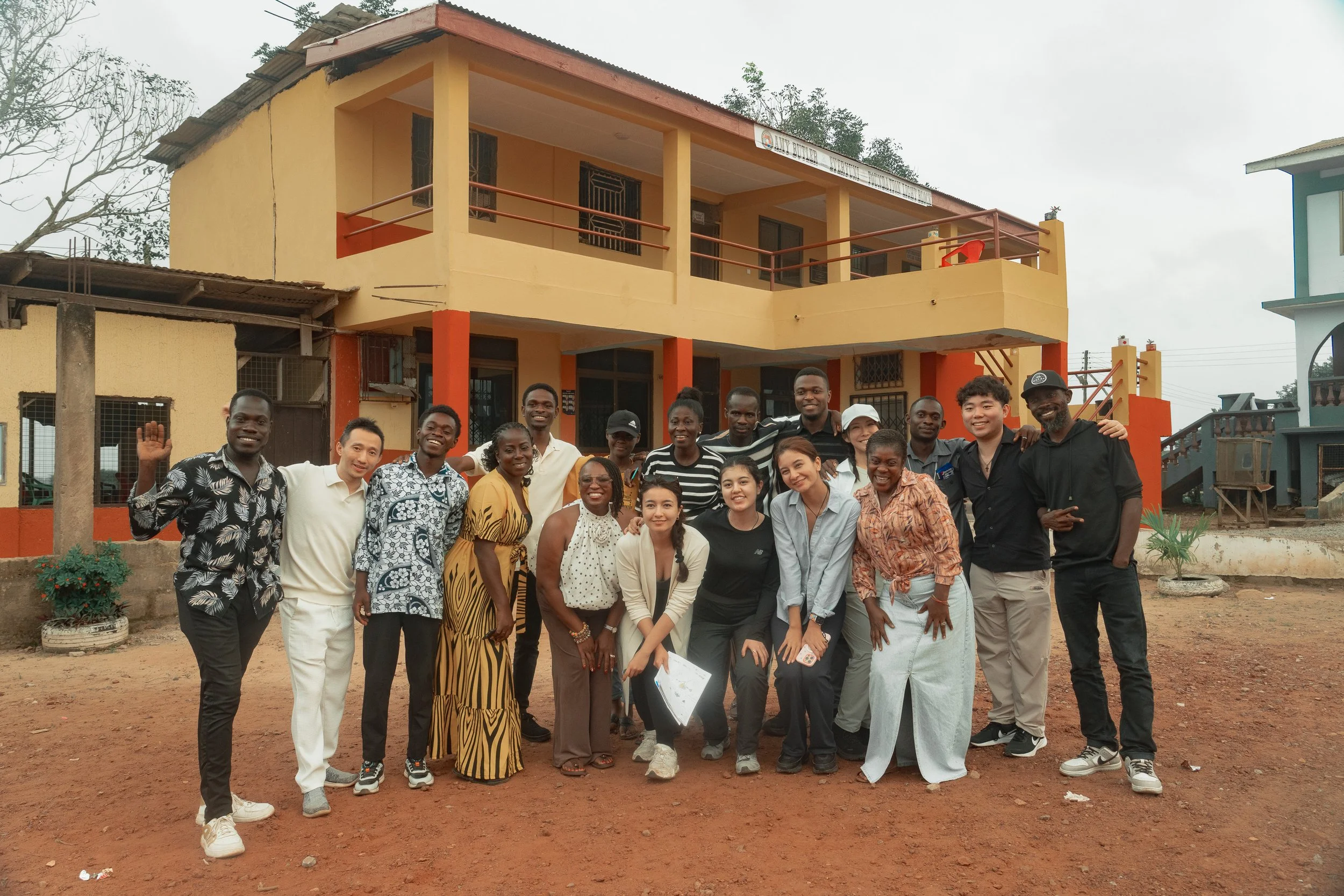
What began as an empty, dilapidated space is becoming a place for learning, technology, and opportunity. On July 2026 Ghana, Foundation Light in collaboration with the Amy Butler Foundation and EverYuni, transformed this space into a digital learning center, where young people began receiving ICT training and gaining access to tools that can help shape a different future.
Ghana
Mamfe Apostolic School
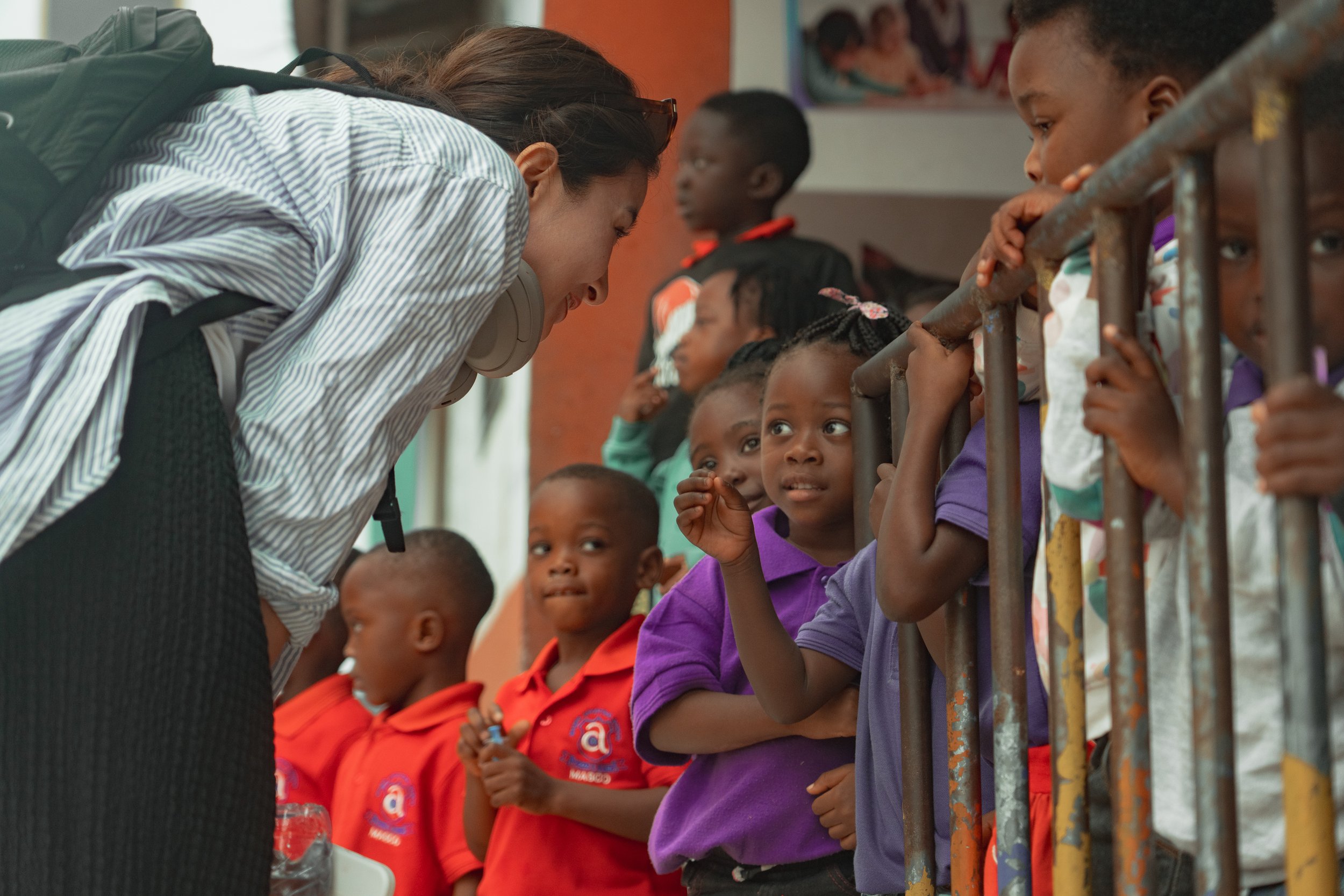
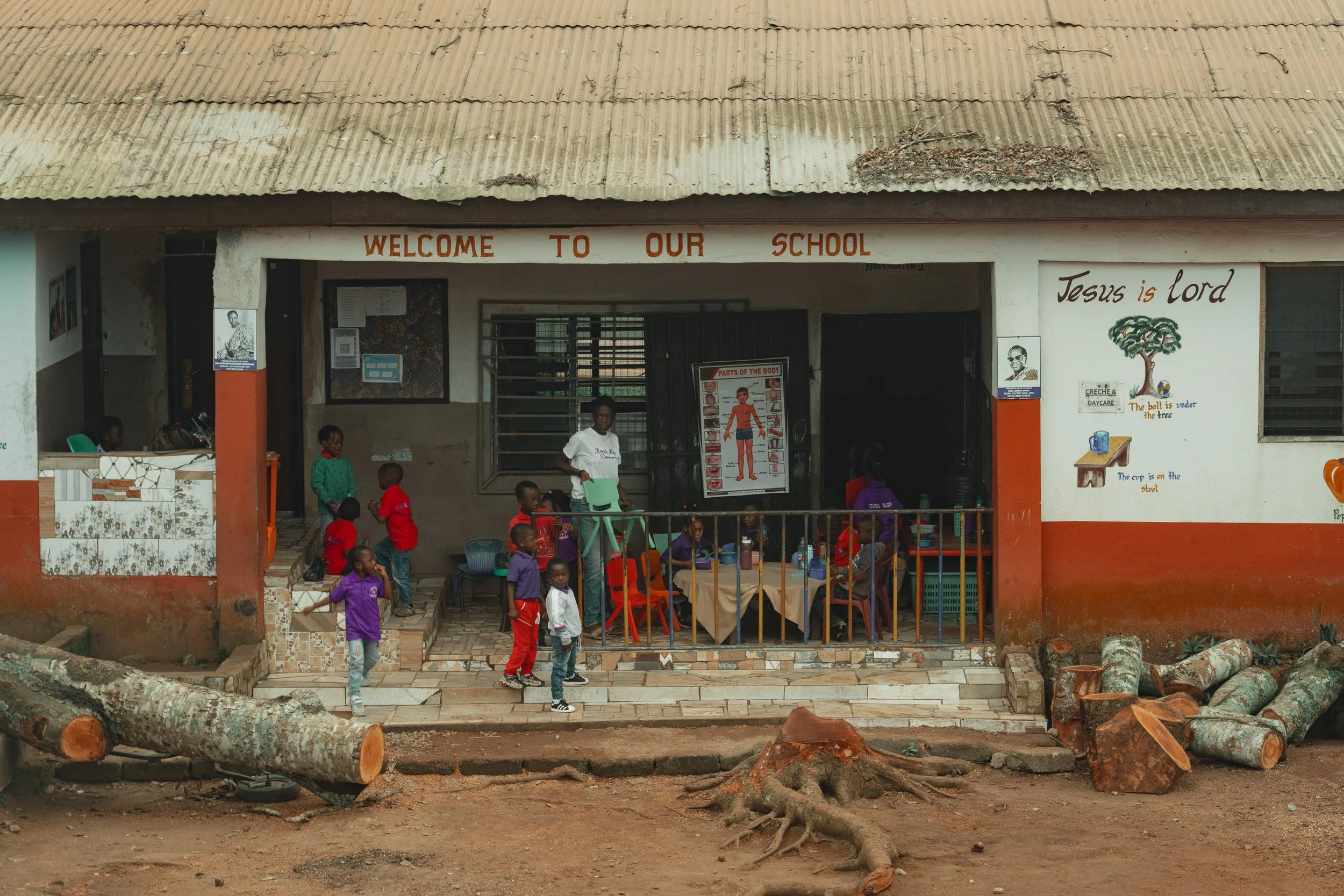
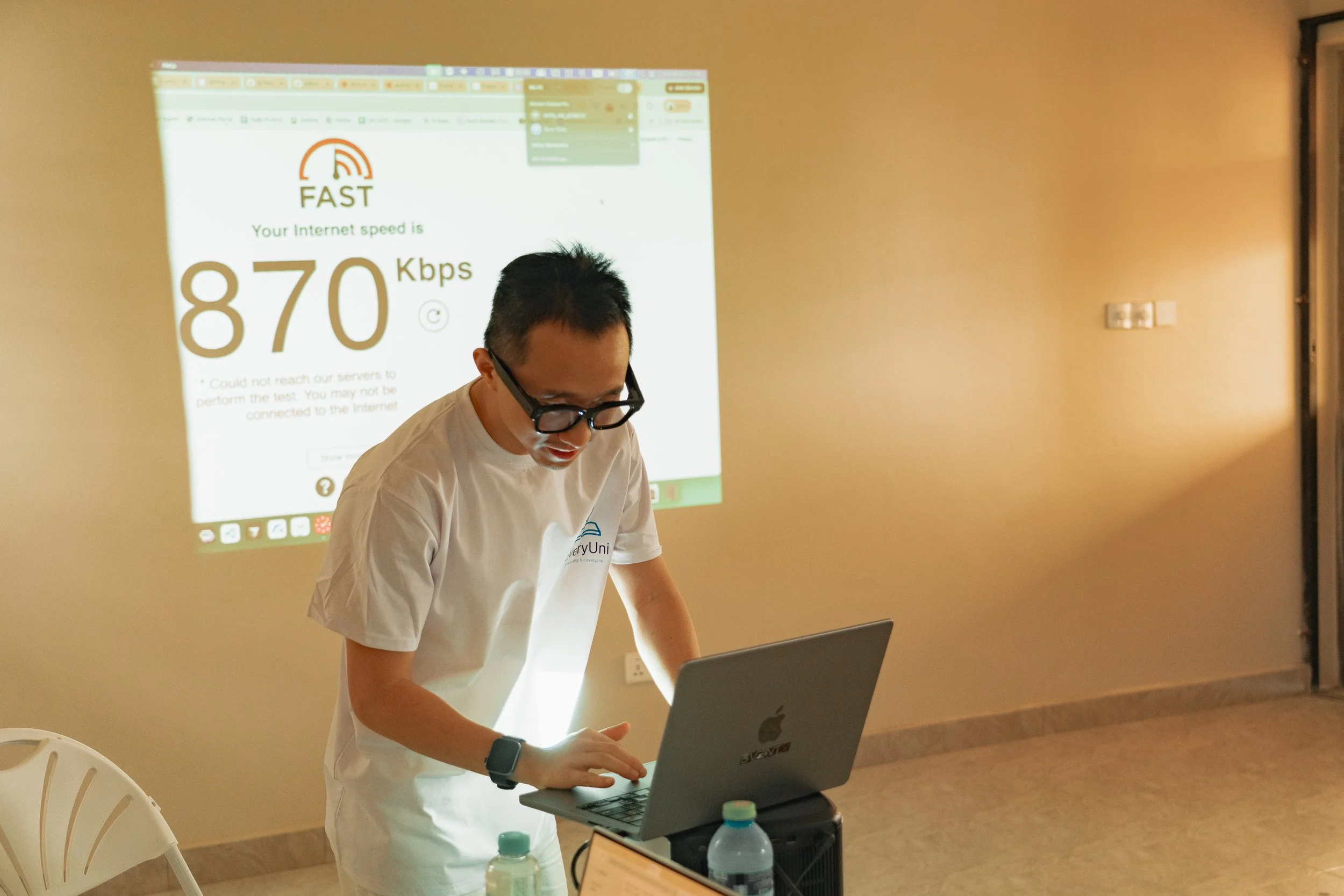
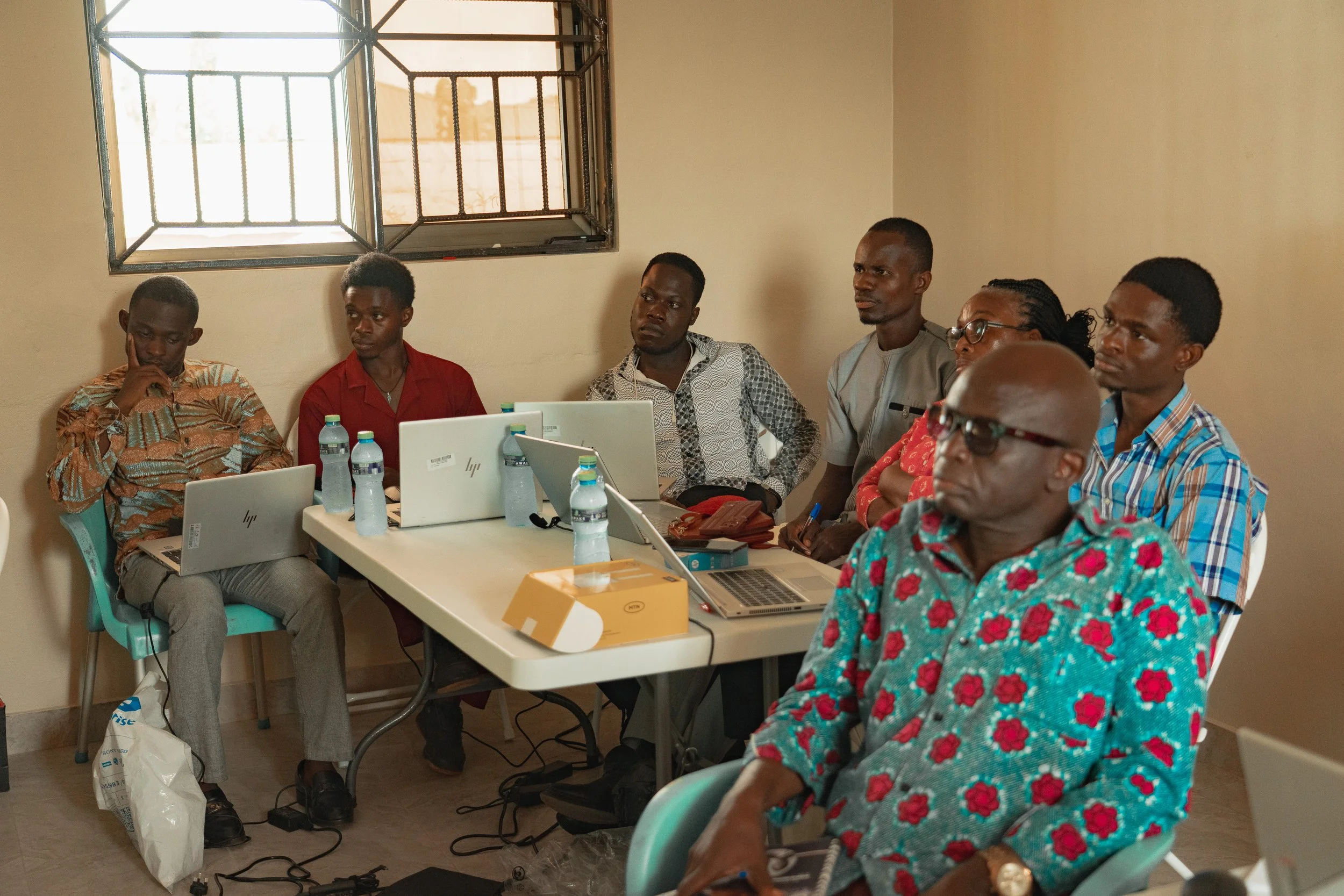
Overview
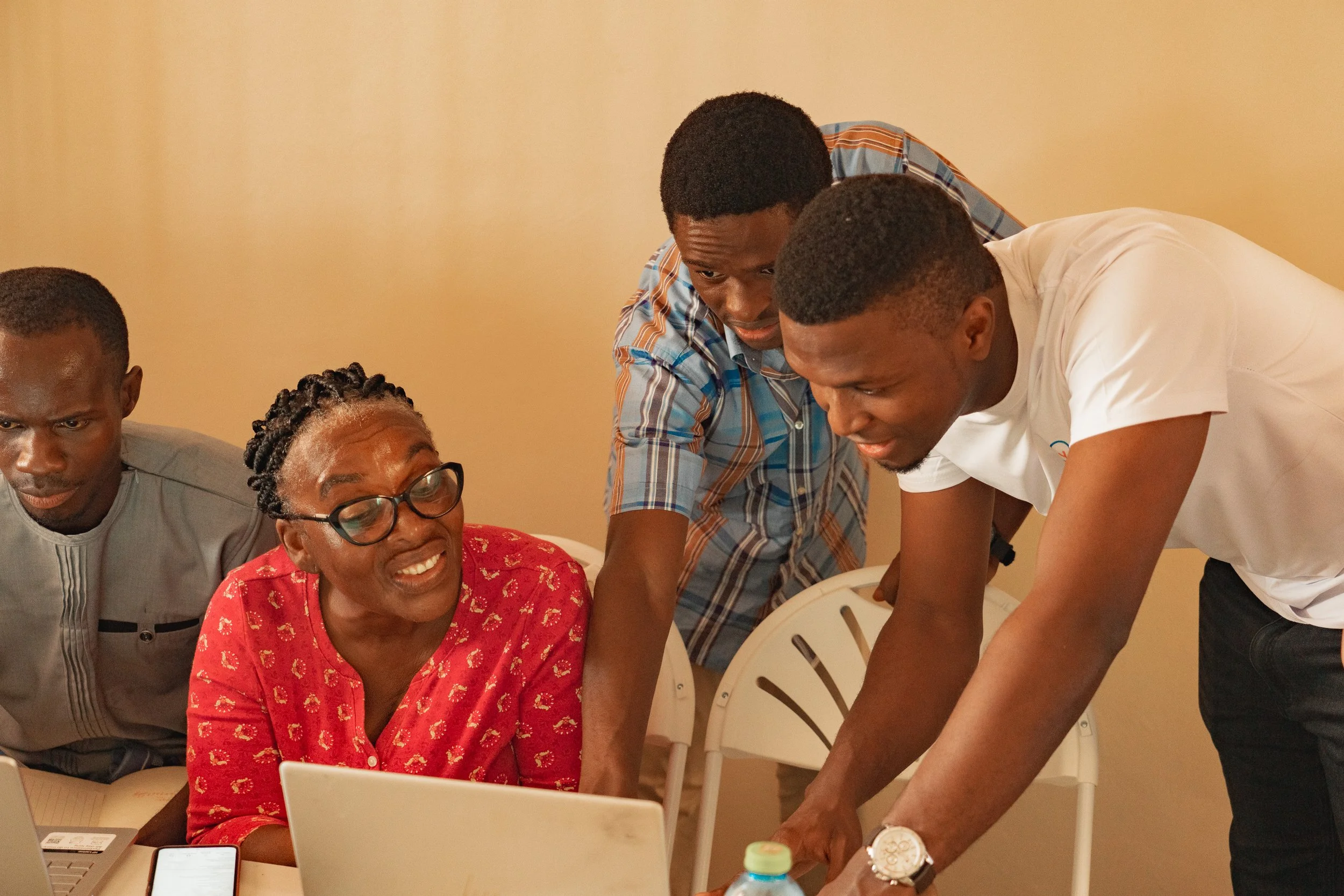
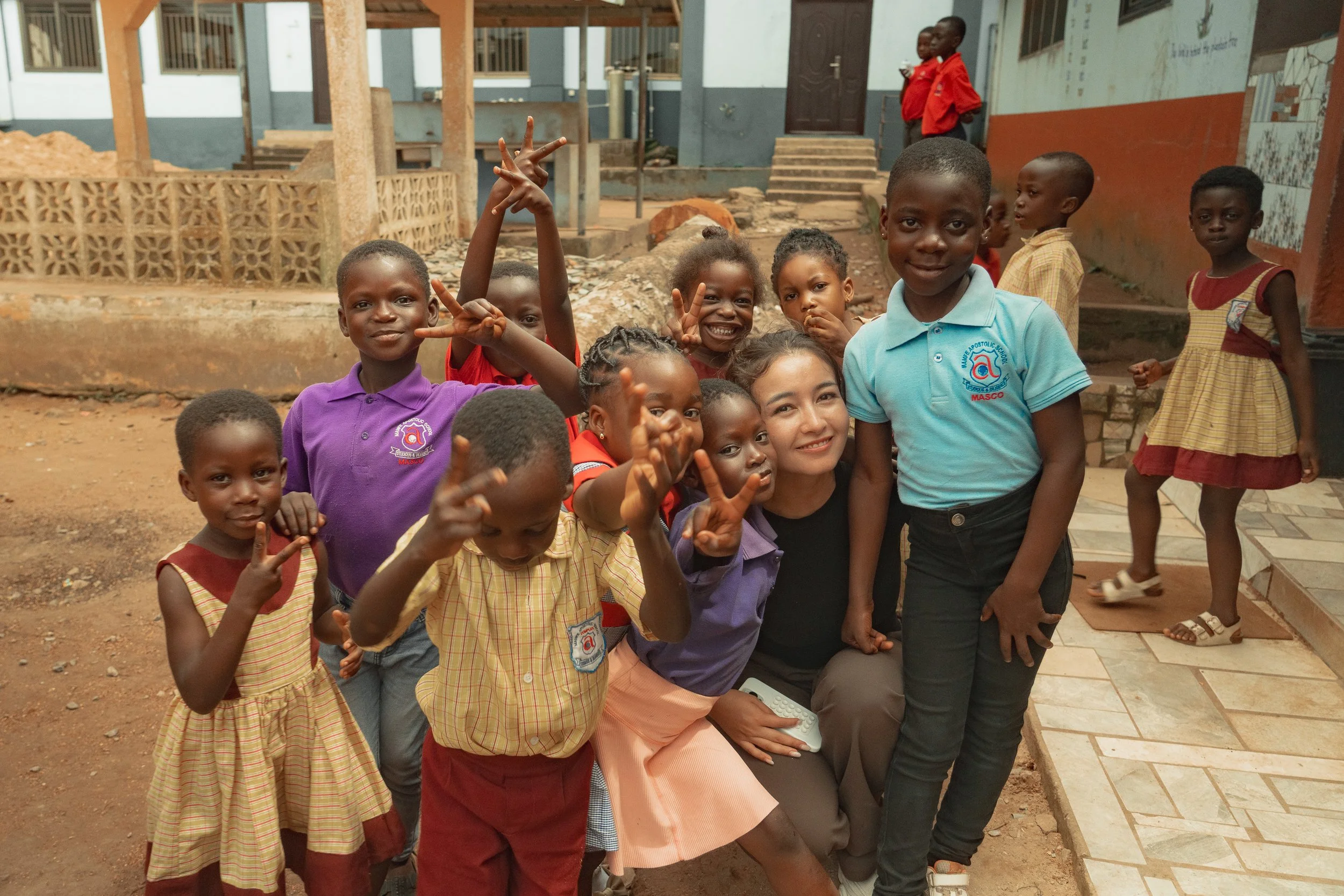
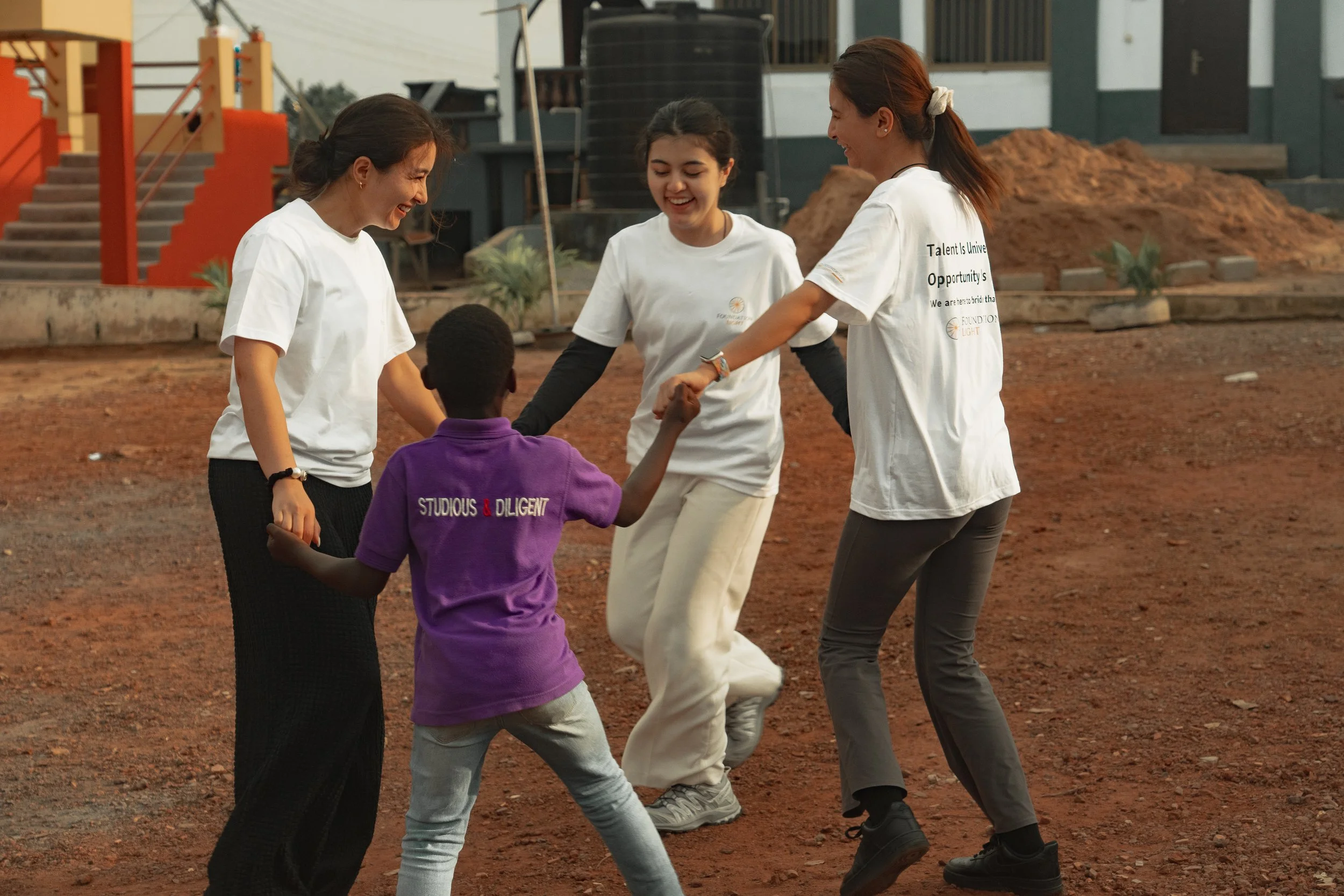
Our Ghana pilot is based at Mamfe Apostolic School complexof Akuapem in the Eastern Region of Ghana, where we are working directly with students to expand access to digital tools and foundational skills.
The Context
Students at Mamfe Apostolic School are motivated and capable, but access to digital infrastructure and structured digital education remains limited. Without devices and training, students are constrained in their ability to explore information, develop modern skills, and prepare for future opportunities.
What We Are Implementing
1. Refurbished Device Distribution
We provide selected students with refurbished laptops and smartphones to enable direct access to digital learning tools.
2. Structured Digital Literacy Sessions
Students are guided through practical training, including:
basic device operation
internet navigation and research
digital communication tools
online safety and responsible use
3. Financial Literacy Introduction
We introduce foundational concepts such as saving, budgeting, and decision-making to build early financial awareness.
4. Mentorship and Exposure
Where possible, we provide access to mentors and structured guidance to help students translate access into direction.
What Success Looks Like
students actively using their devices for learning
increased confidence in digital tools
improved ability to research and complete schoolwork
early understanding of financial decision-making
stronger aspiration and awareness of opportunities beyond immediate environment
Why This Matters
Access without guidance often leads nowhere. This project is designed to ensure that technology becomes a tool for growth, not just consumption.
Note: Images Tomris Turker, Ghana (2026)

Kenya
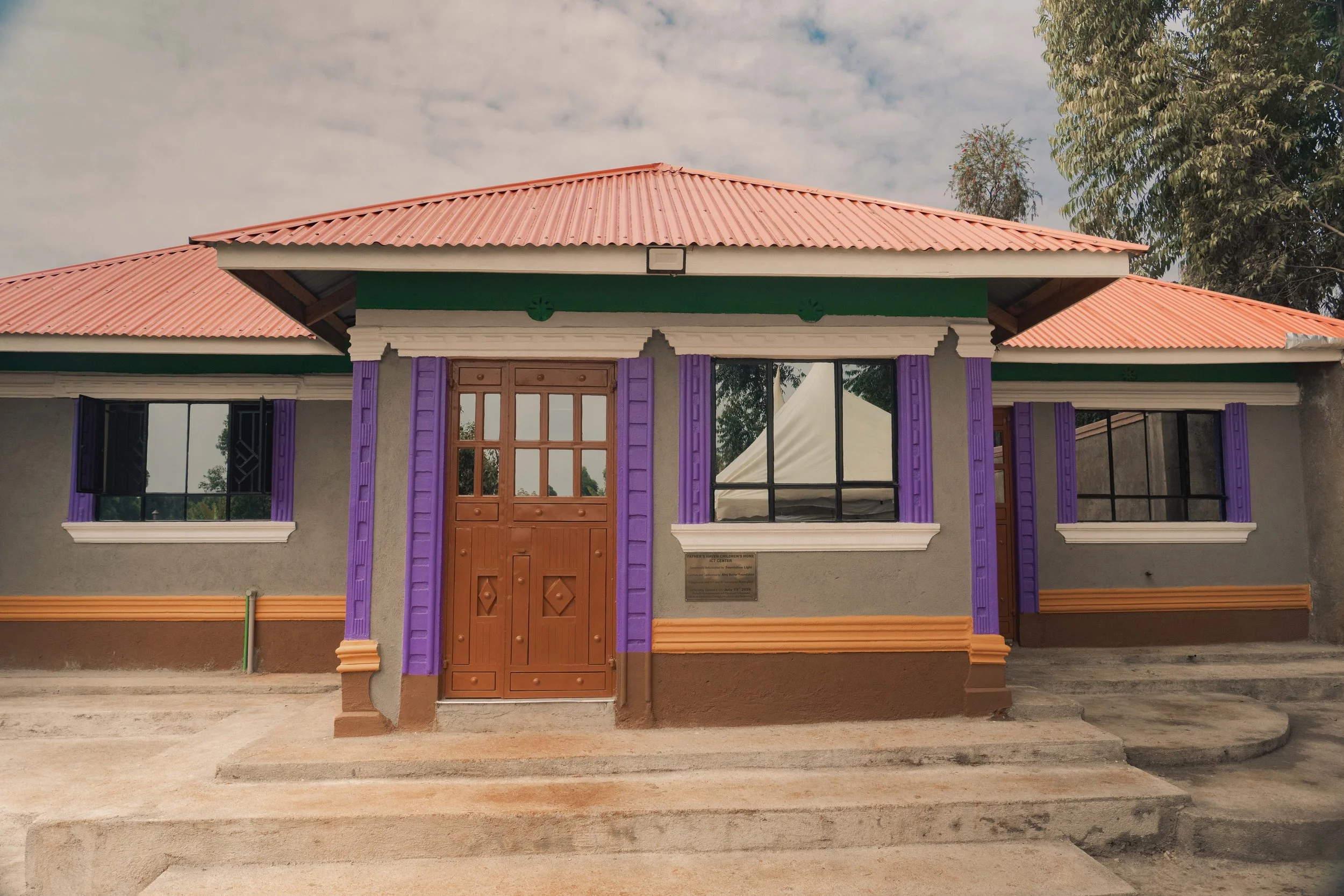
Ogembo

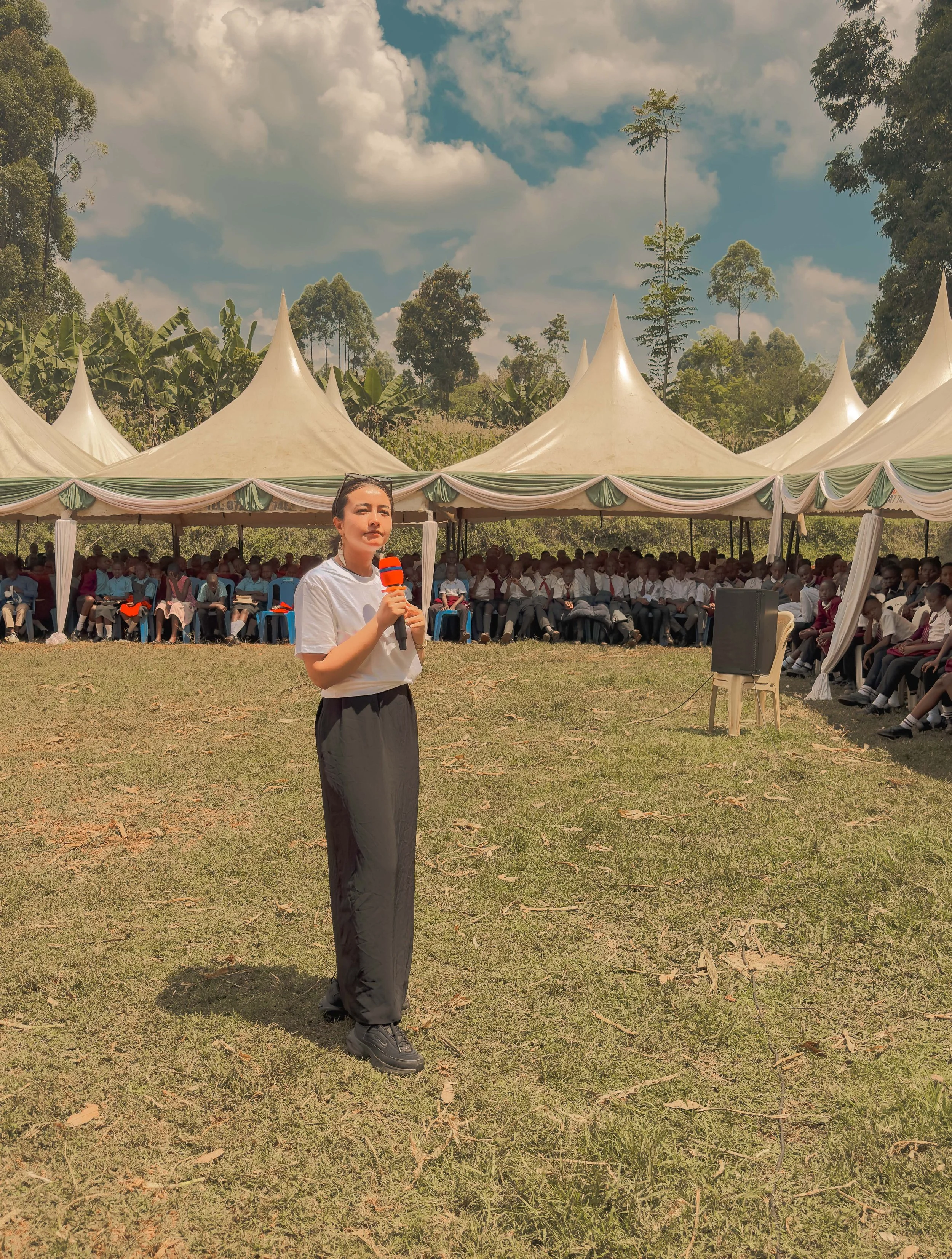
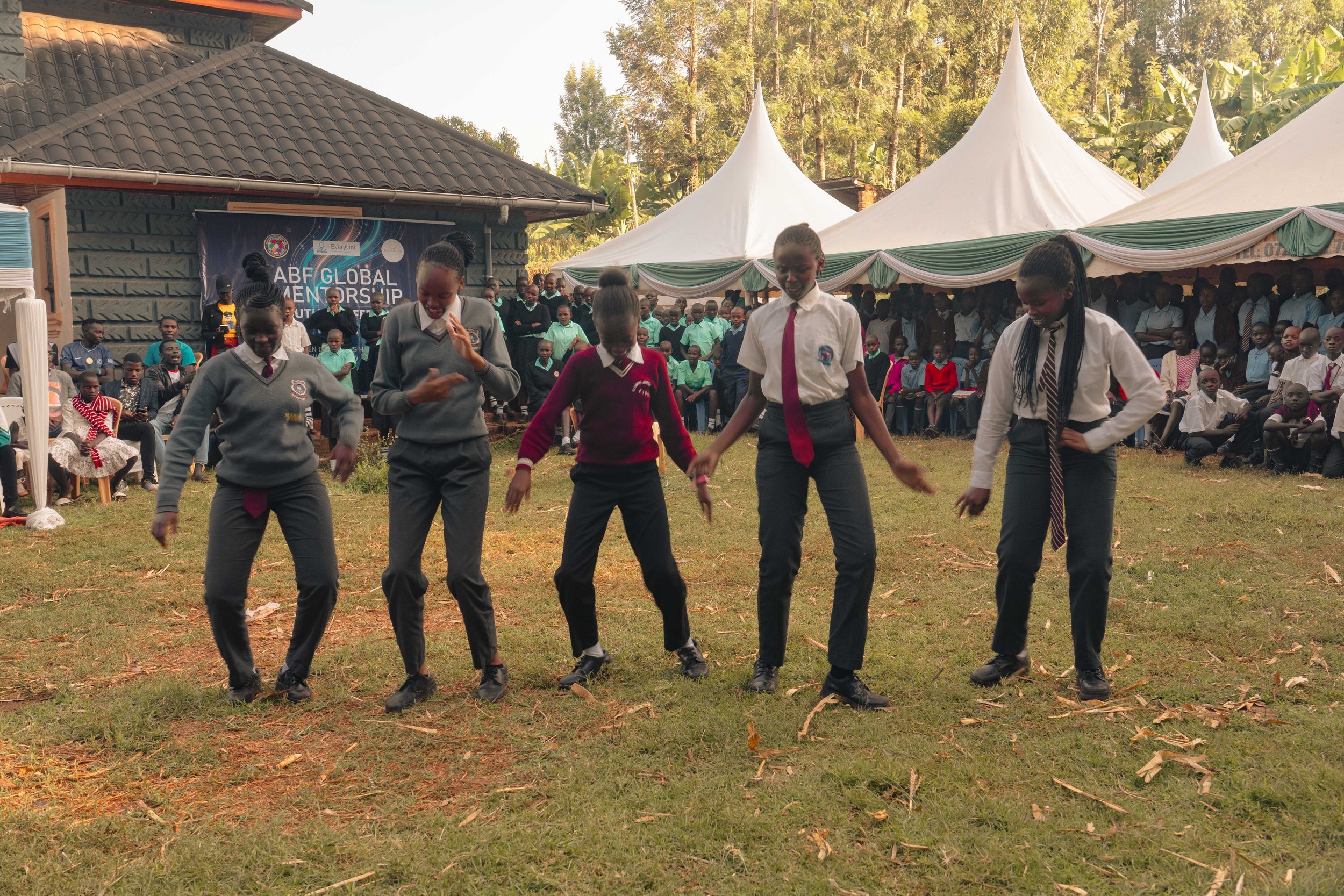
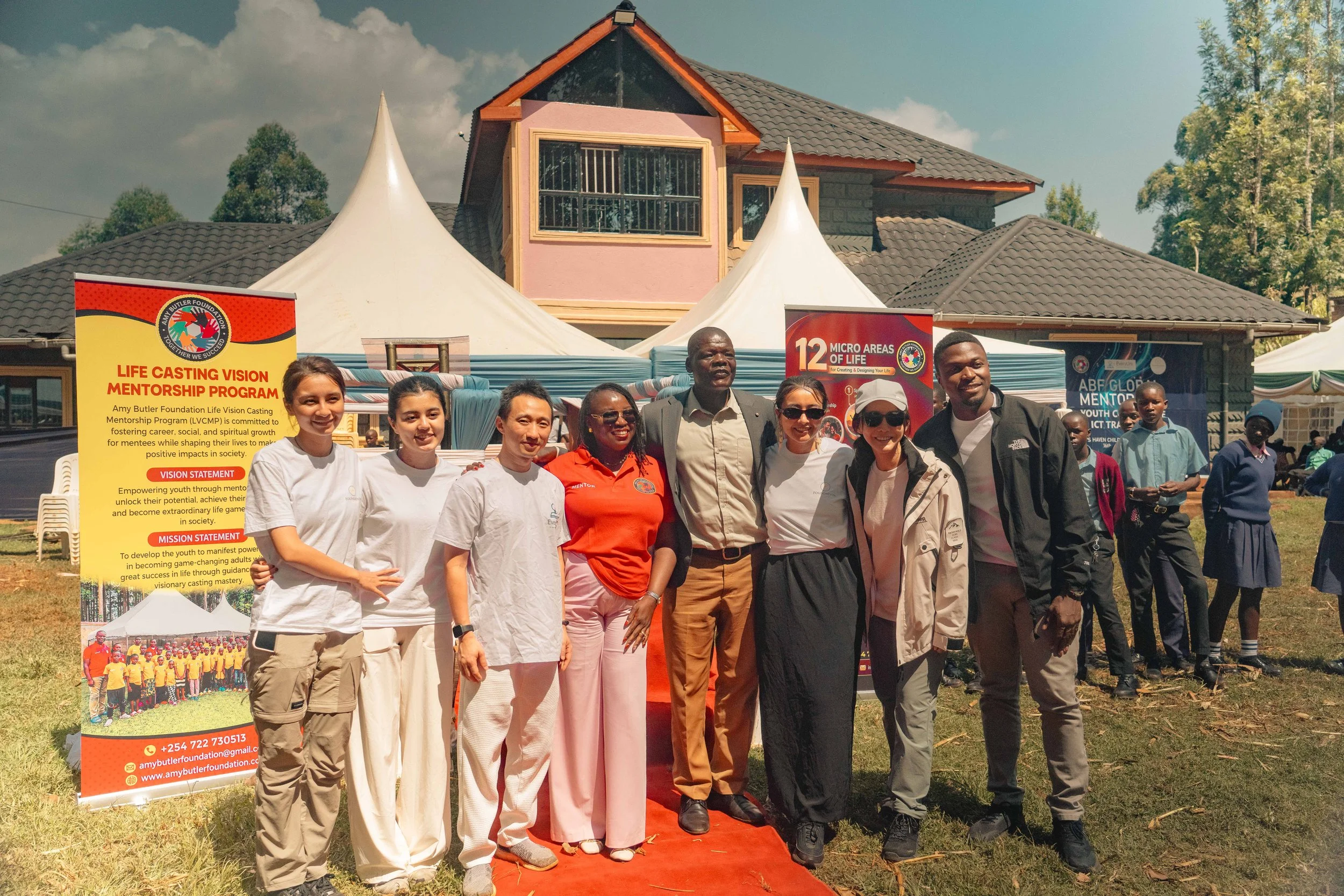

Overview
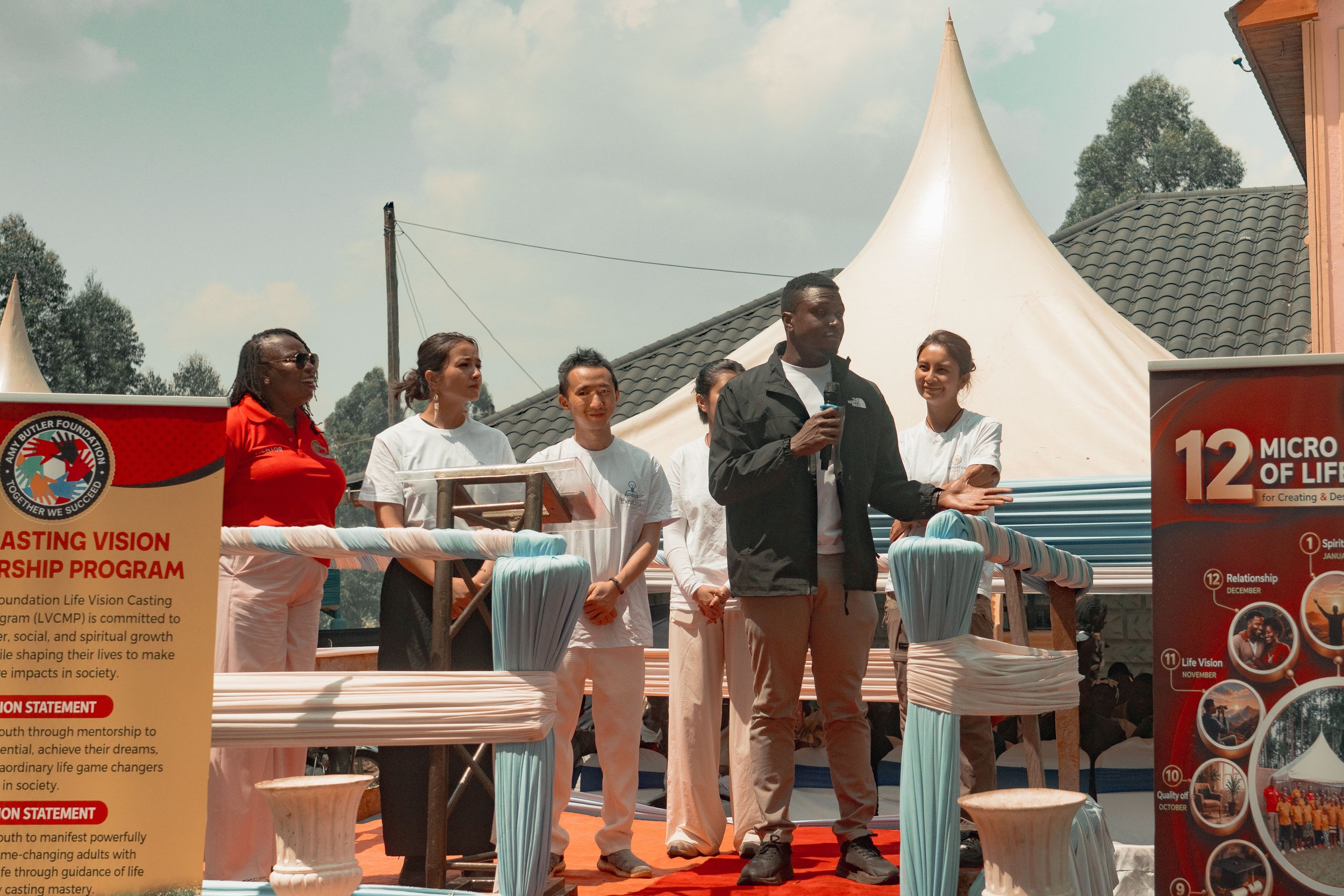
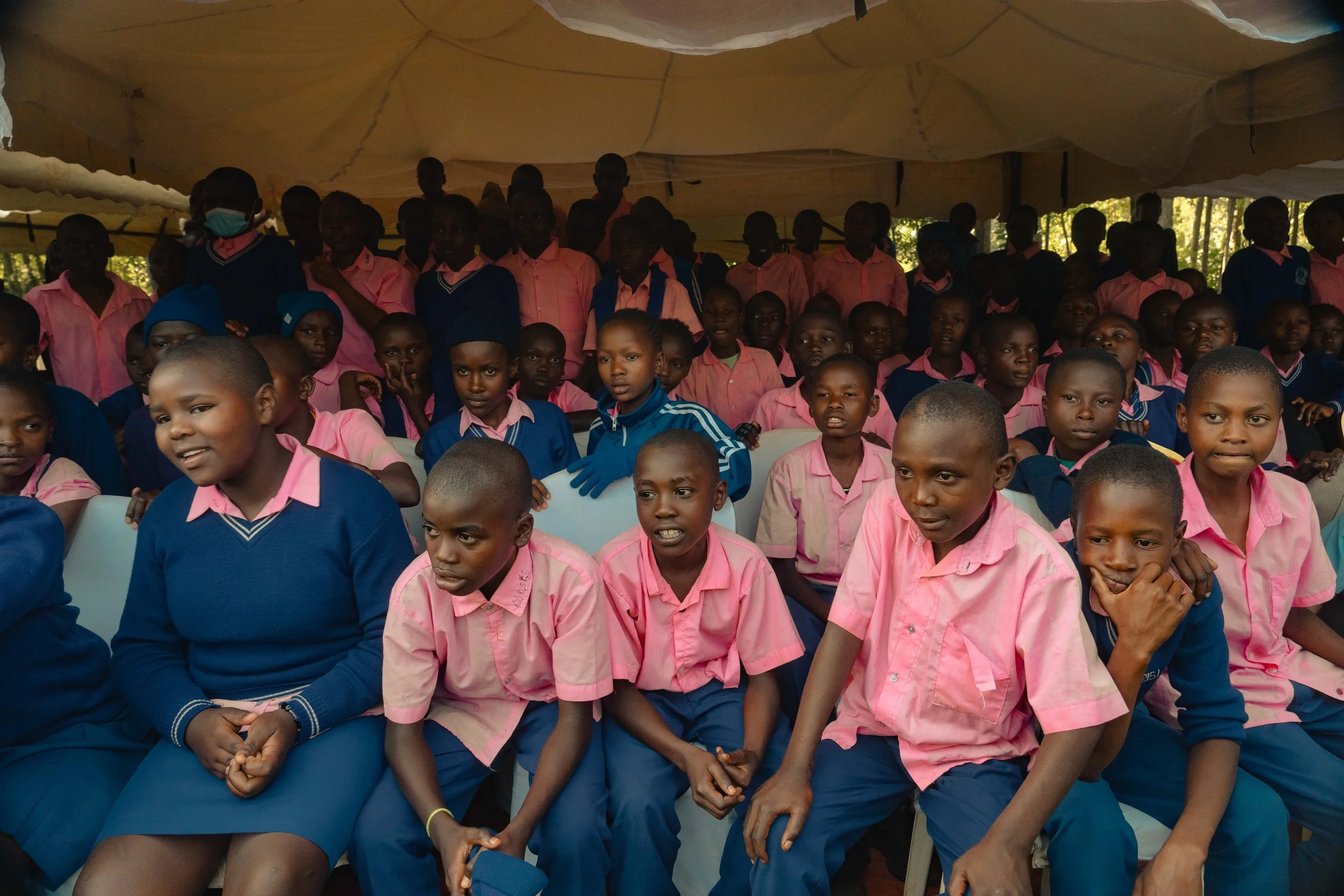
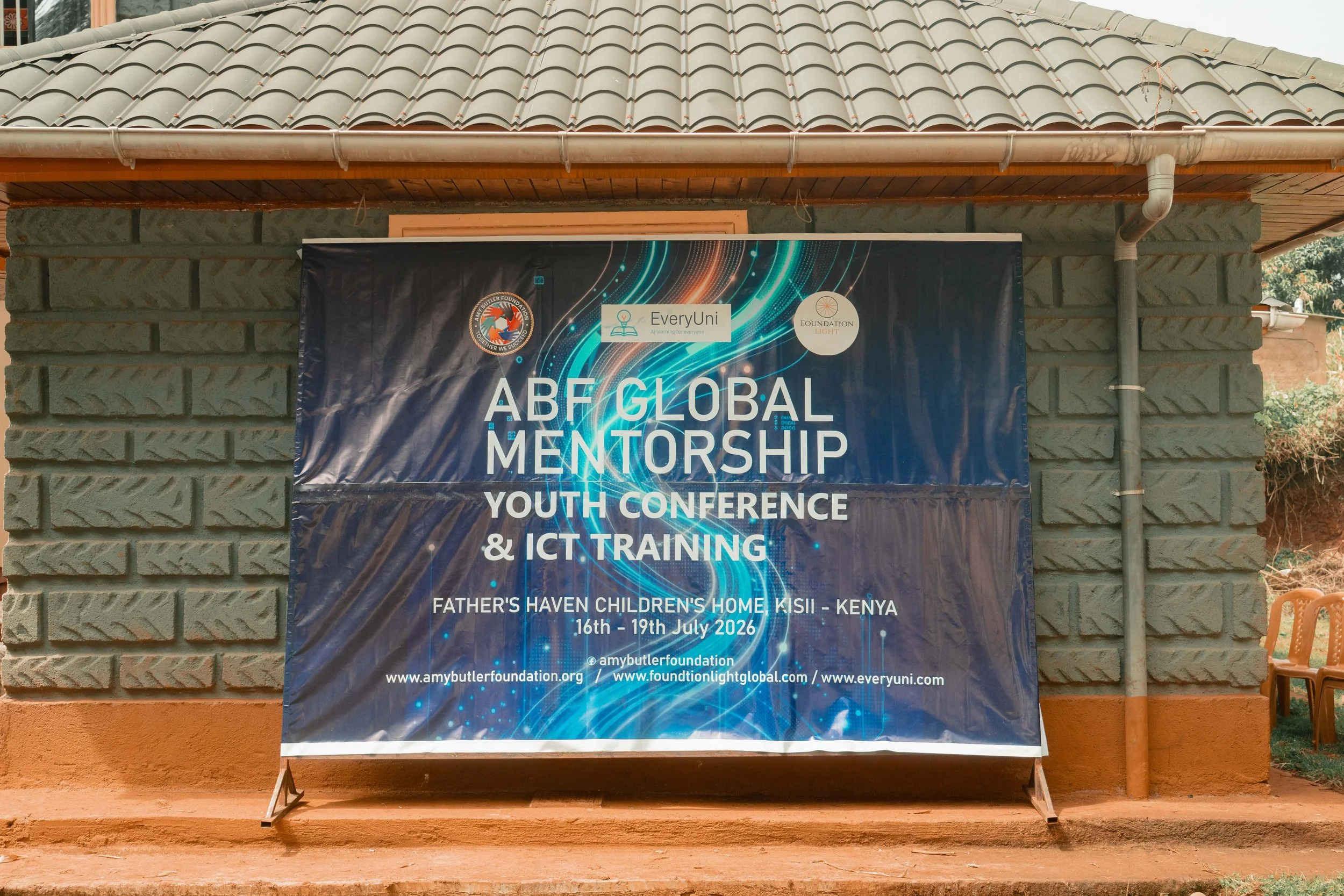
Our Kenya project is based in Ogembo , where we are working with local stakeholders to expand digital access and capability for young people.
The Context
In Ogembo, many young people face limited access to devices, structured digital training, and exposure to broader opportunities. As a result, participation in the digital economy remains constrained despite their high potential.
What We Are Implementing
1. Refurbished Device Access
We distribute refurbished laptops and smartphones to selected participants to bridge the access gap.
2. Digital Literacy Training
Training focuses on practical usage:
navigating digital tools
accessing online learning resources
communication and information skills
building productive digital habits
3. Financial Literacy Foundations
Participants are introduced to core financial concepts that support independence and better long-term decision-making.
4. Local Partnership Model
We work with local partners to ensure that delivery is relevant, grounded, and sustainable.
What Success Looks Like
consistent device usage for productive purposes
improved digital confidence and capability
increased engagement with learning resources
stronger sense of direction and possibility
Why This Matters
Digital exclusion is no longer just a technical issue. It is an opportunity gap. This project is designed to close that gap in a practical and scalable way.
Note: Images Tomris Turker, Kenya (2026).
How We Build From Here
These initial projects in Ghana and Kenya are designed as pilot implementations.
Our focus is not on rapid expansion, but on:
proving the model works
refining delivery based on real feedback
building strong local partnerships
documenting outcomes properly
From there, we scale with discipline.
If you are interested in supporting these projects or partnering with us, we welcome the conversation.
Support the project. Partner with us. Expand access with substance.

News and Articles
Building a growth mindset: Youth urged to embrace innovation, technology and leadership.
Credits via JoyNews on Facebook
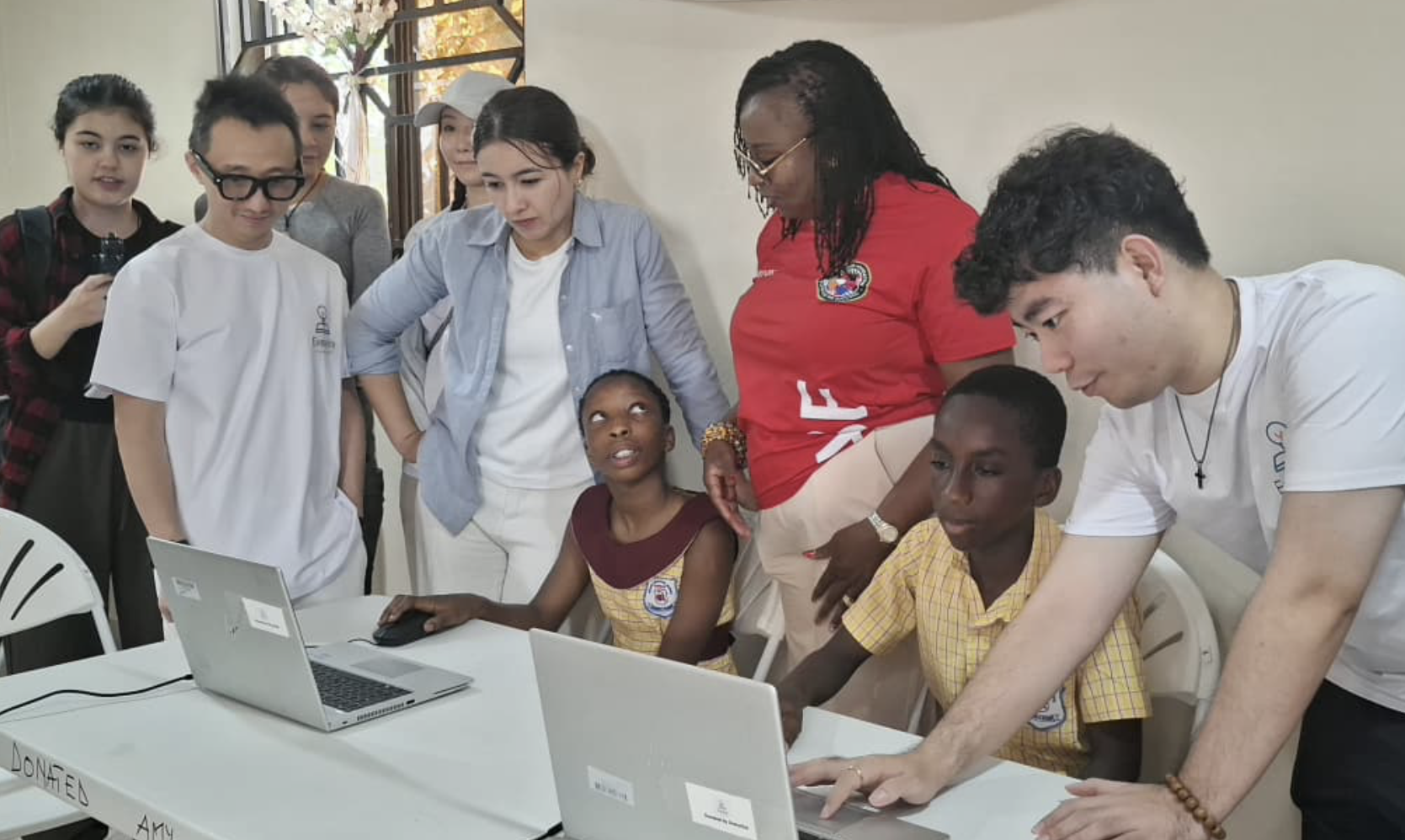
Mamfe Youth Receive Mentorship, New ICT Center
Accra, July 13, GNA - The Amy Butler Foundation, in collaboration with Foundation Light and EveryUni, has organised a youth mentorship programme for students at Mamfe in the Eastern Region and handed over a new Information and Communication Technology (ICT) Training Centre to the Mamfe Apostolic School Complex.
Credits via Ghana News Agency
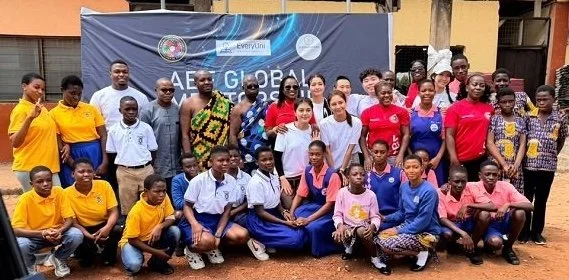
Youth Urged to Cultivate Positive Mindset for Success
The Amy Butler Foundation in collaboration with Foundation Light Global and Every University (EveryUni) has organised a Youth Mentorship Conference to inspire young people to develop a positive mindset and prepare for future success.
Credits via Ghanian Times