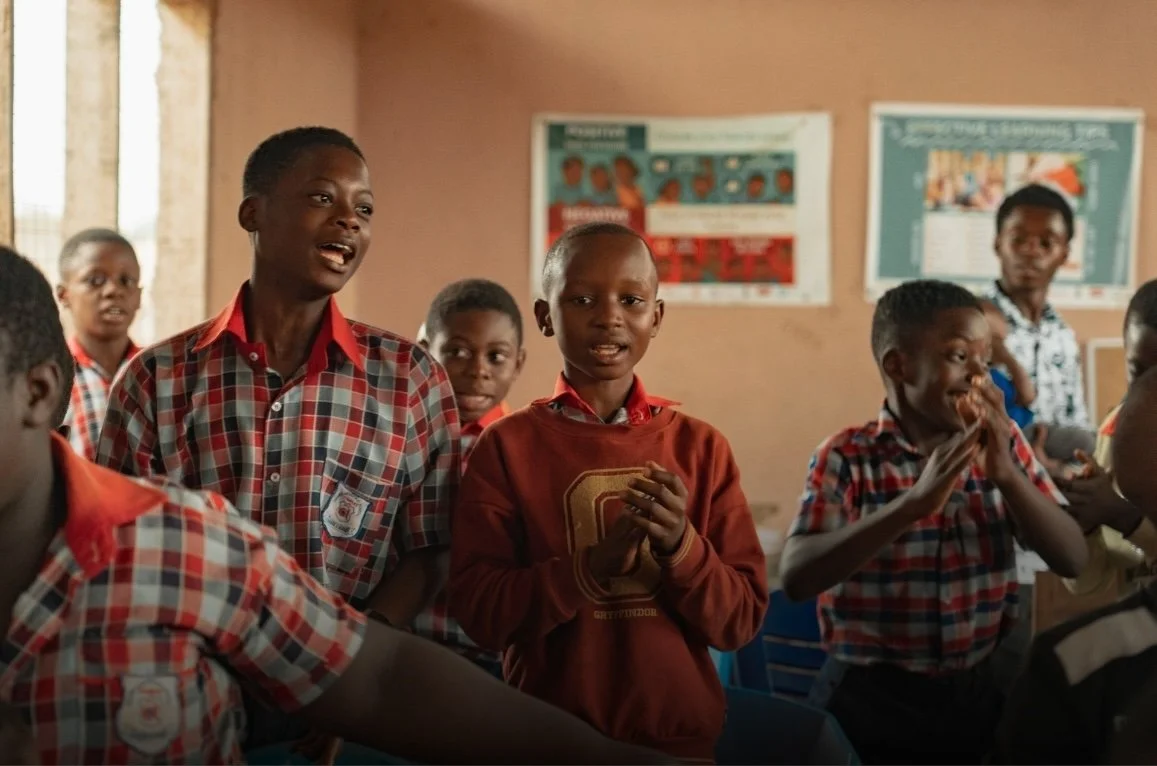
Our Approach
A structured approach to opportunity
Our work focuses on four core pillars designed to expand opportunity, strengthen local capacity, and support sustainable economic participation for young people.

We believe that talent is widely distributed, but access and capability are not.
Many interventions focus on a single input, devices, funding, or training.
On their own, these rarely lead to lasting outcomes
Our approach is built on a simple principle:
Access must be paired with capability to create opportunity that endures
Our Model
Access → Skills → Confidence → Opportunity
We design our work as a sequence, not a single intervention.
Each stage builds on the previous one, turning initial access into practical capability and, ultimately, meaningful participation.
I. Access is the starting point
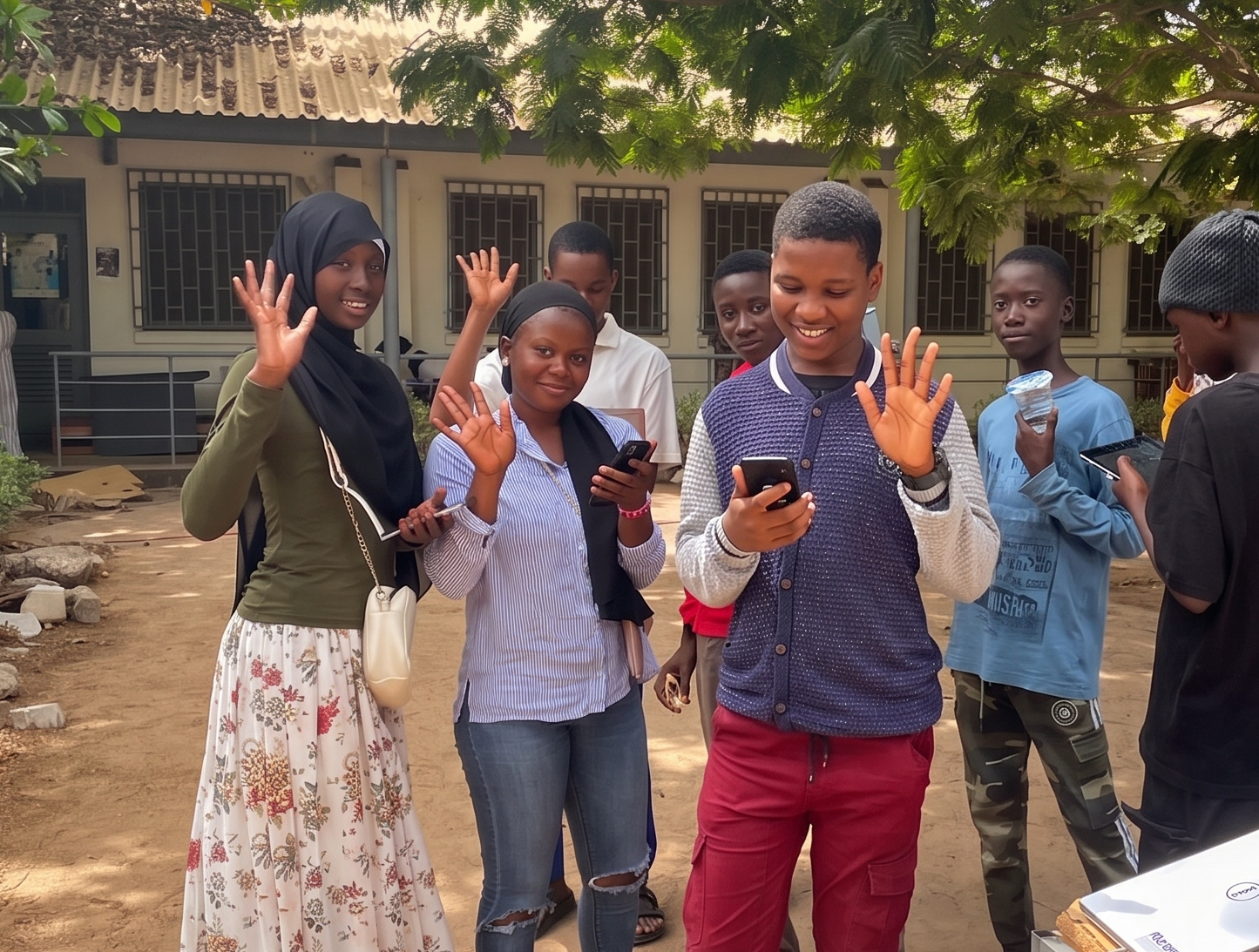
We provide refurbished laptops and smartphones to reduce the barrier to entry into the digital world.
But we are clear: access alone is not the solution.
Without structure, devices often become underused or misused. Our model treats access as the foundation, not the outcome.
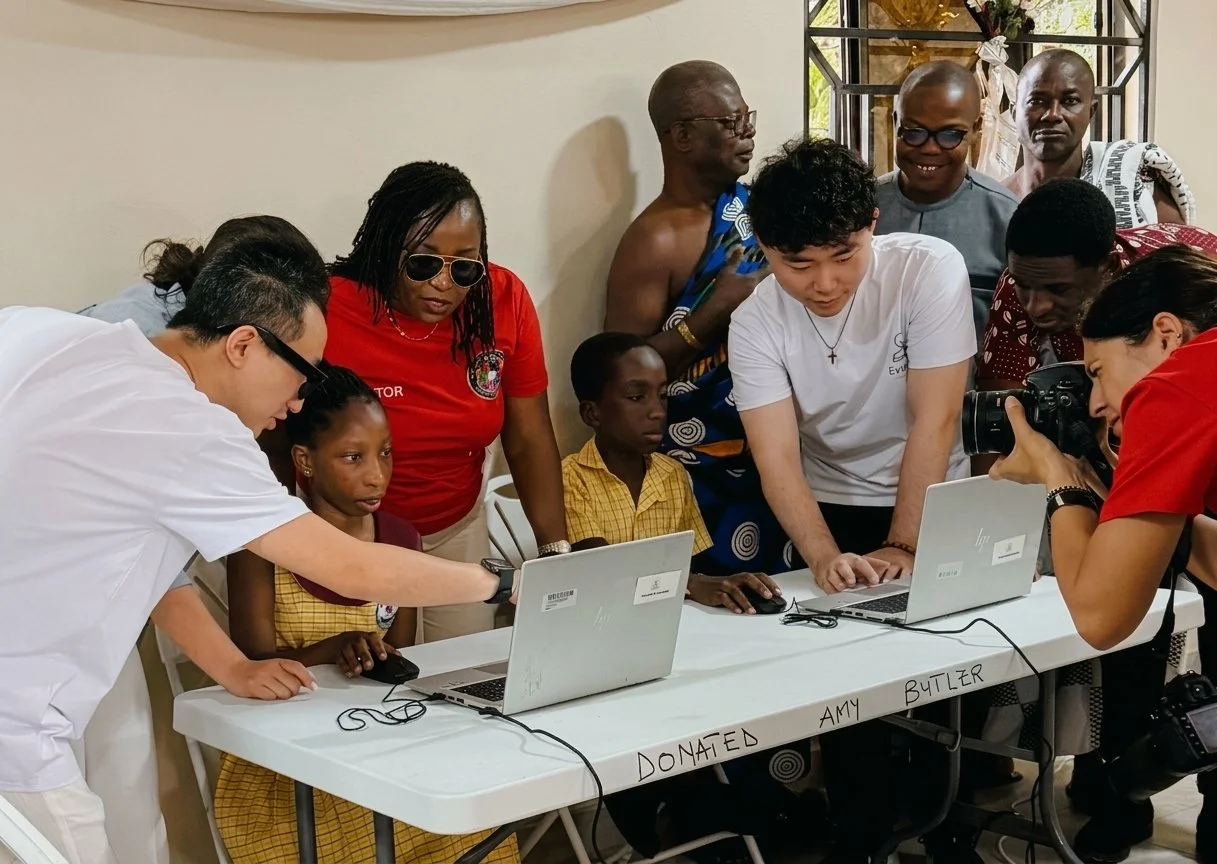
II. Skills create capability
We deliver structured digital literacy training focused on practical use:
navigating devices and digital tools
accessing and evaluating information
communication and online collaboration
digital safety and responsible use
The objective is not familiarity, but functional competence.

III. Financial literacy strengthens judgement
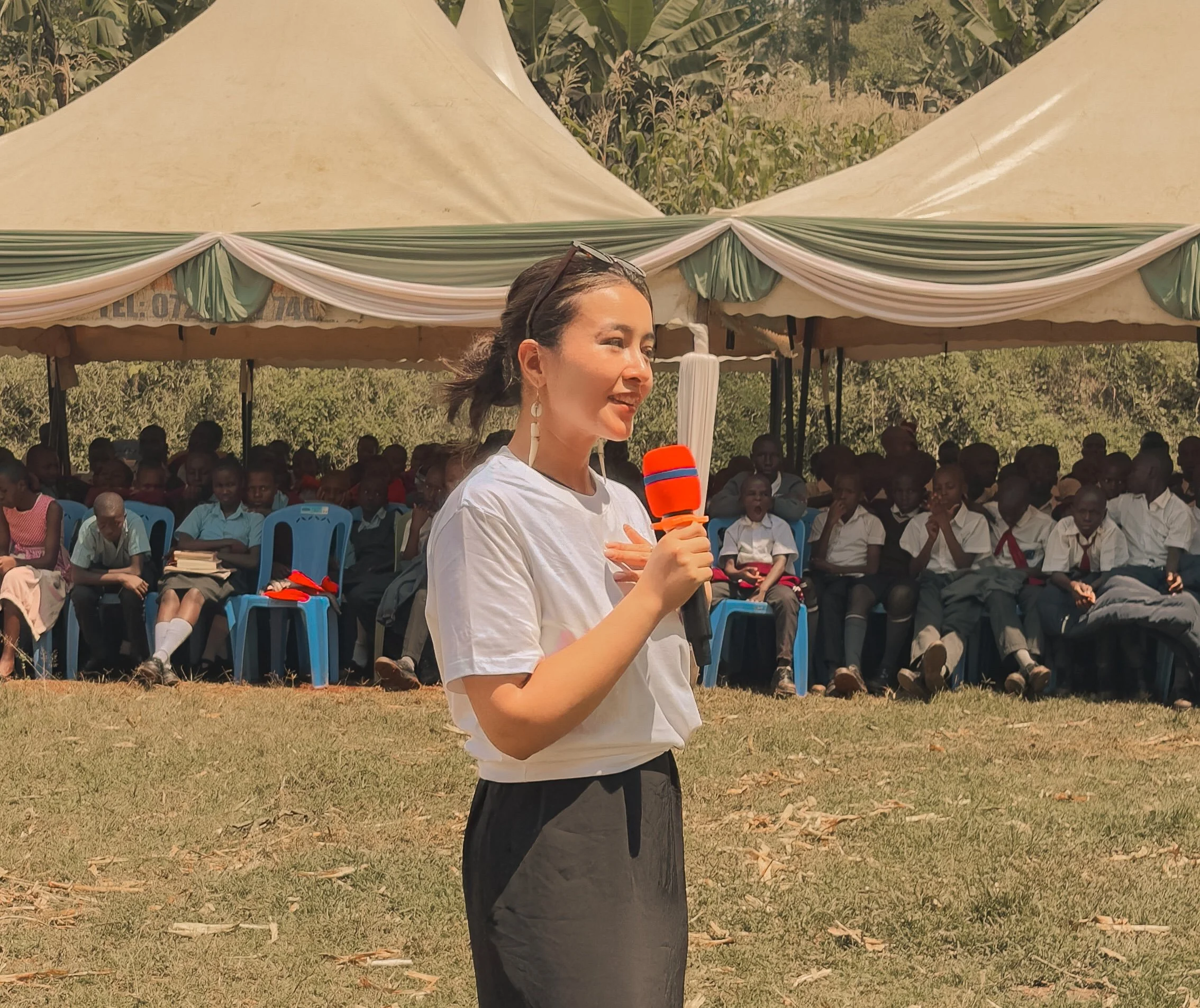
Digital access without financial understanding can limit long-term outcomes.
We introduce foundational financial concepts, including:
saving and budgeting
decision-making under constraints
understanding value and opportunity
This layer supports independence and better long-term choices.
IV. Mentorship creates direction
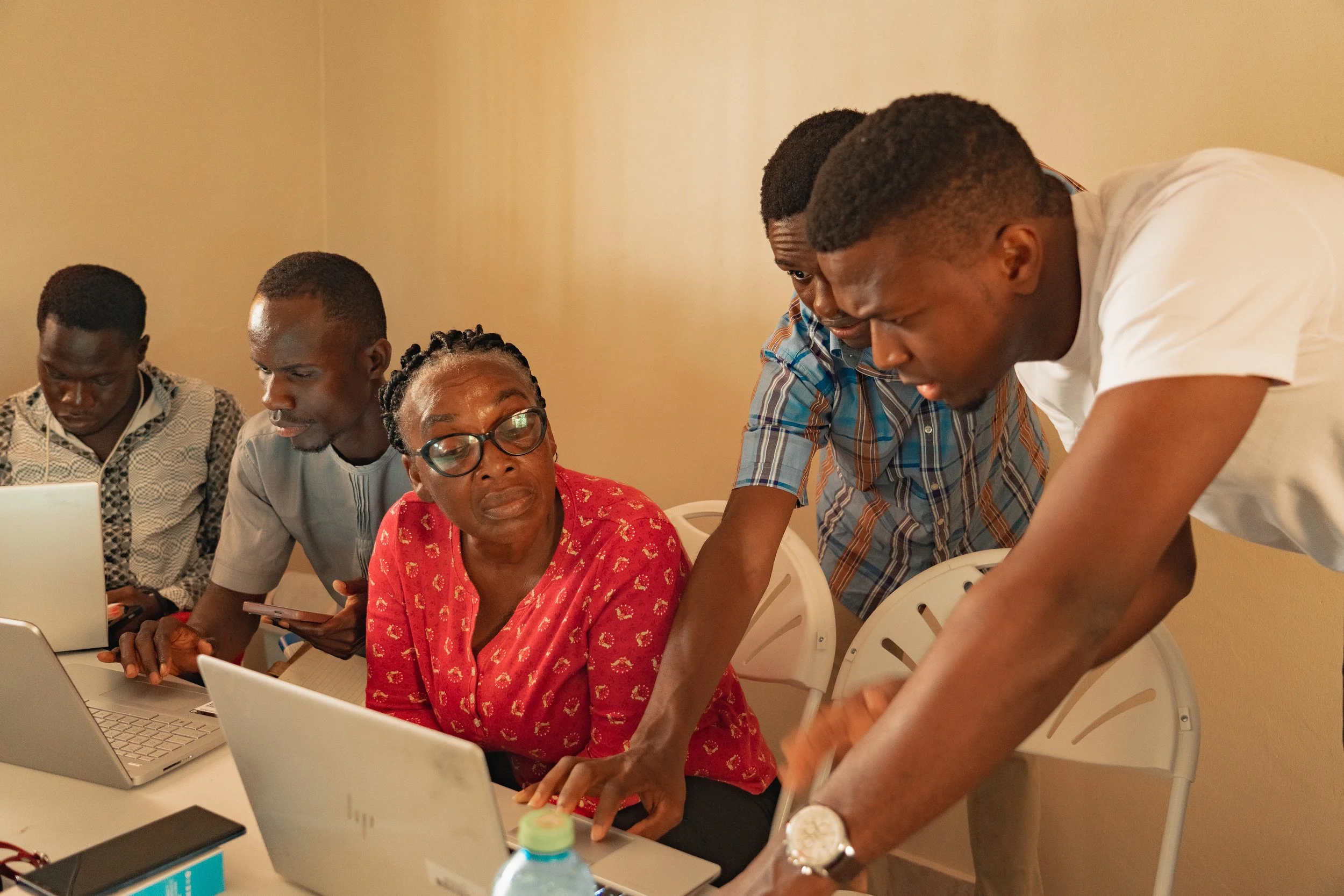
Exposure matters.
We connect participants with mentors and local support systems to help translate skills into direction.
This helps young people:
expand their sense of what is possible
make more informed decisions
move from learning to application

V. Local partnership ensures relevance
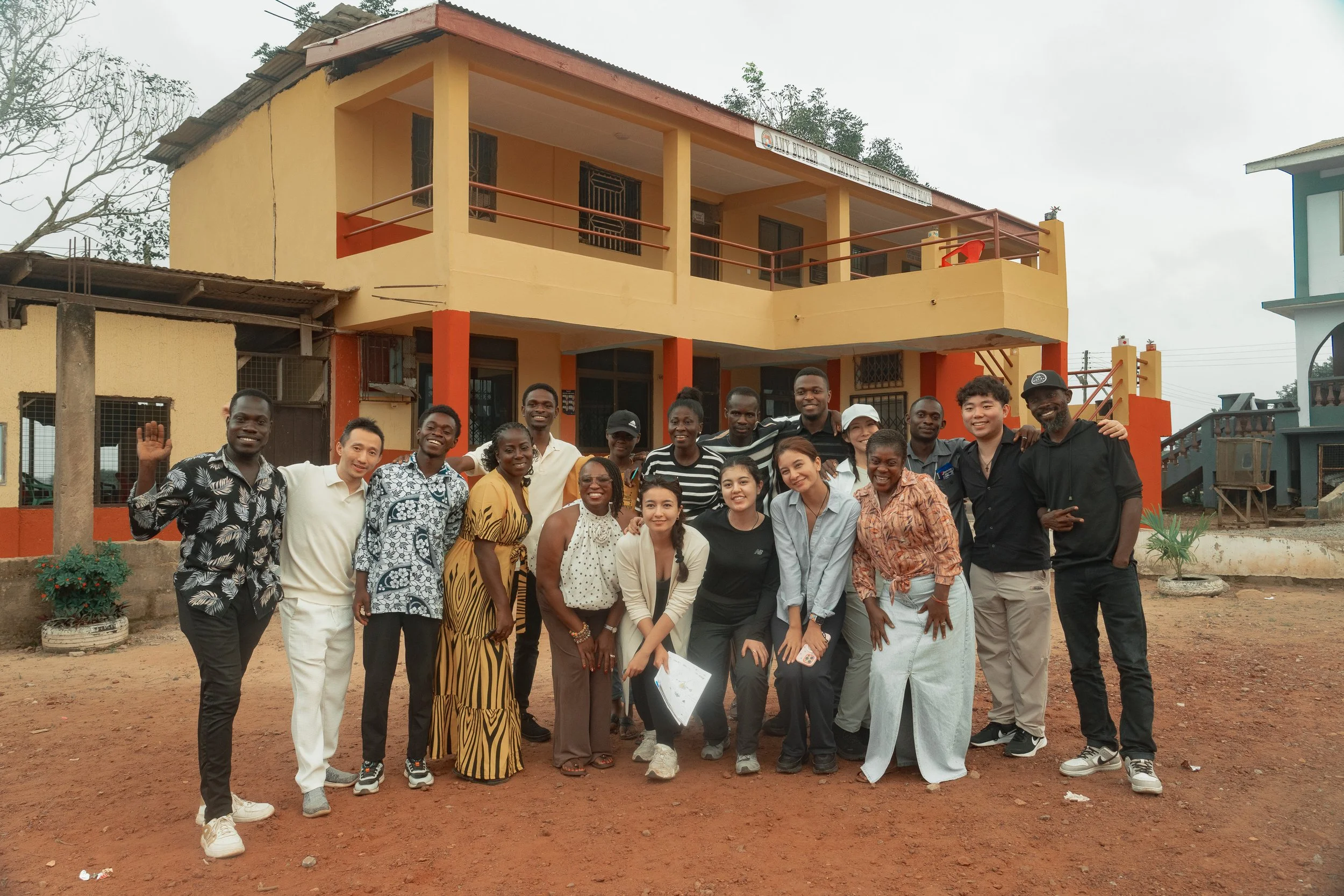
Our work is implemented in collaboration with local schools, educators, and community partners.
This ensures that:
programs are grounded in real needs
delivery is culturally and contextually relevant
support continues beyond initial intervention
We do not impose solutions. We build with local insight.
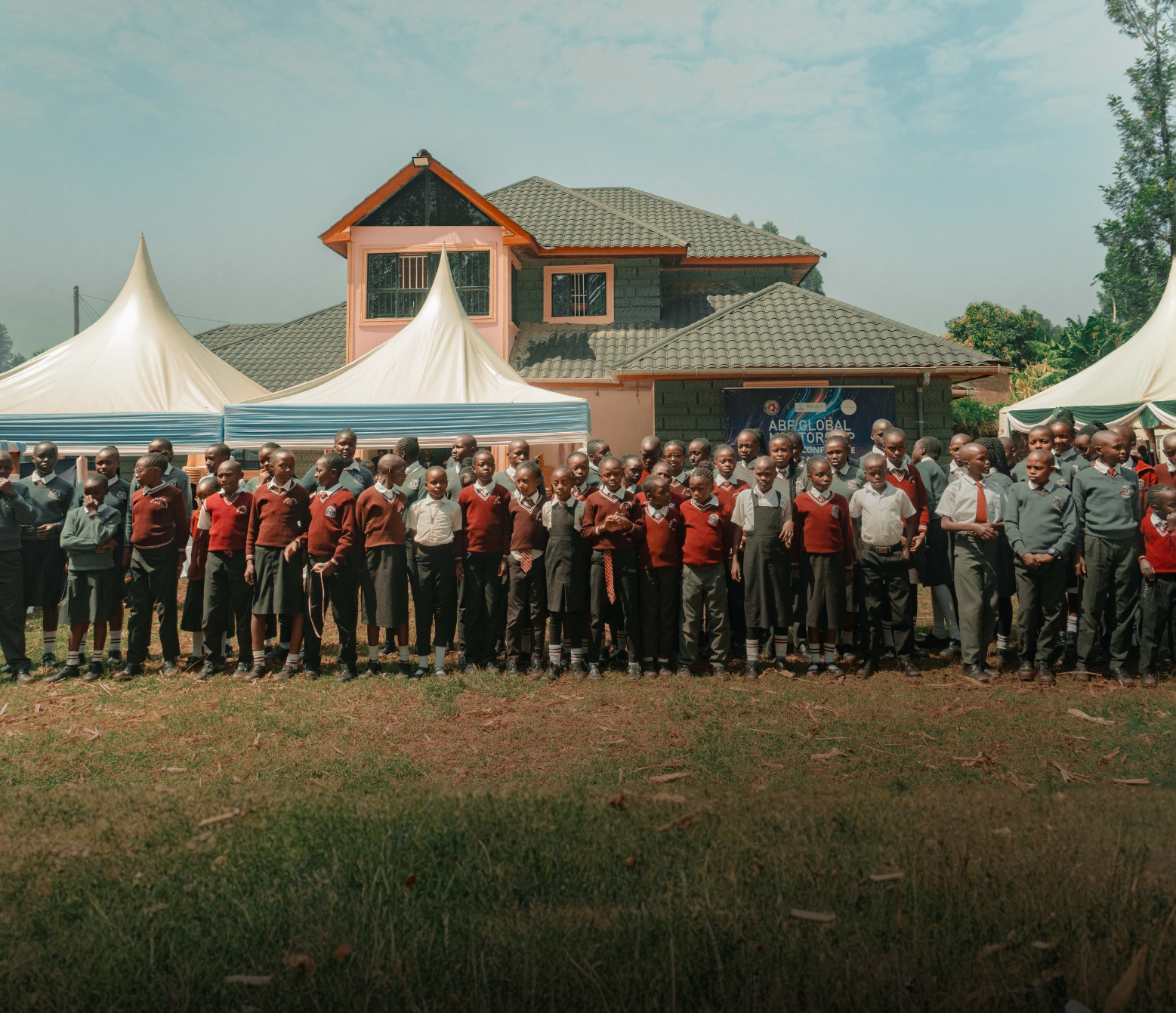
“Education is the most powerful weapon which you can use to change the world.”
— Nelson Mandela
Get In Touch
If you're interested in working with us, complete the form with a few details about your project. We'll review your message and get back to you within 48 hours.